The Japan South Arc: Snow Machine Hakuba, Tokyo, Kyoto, and the Japanese Alps
Snow Machine is an electronic music festival that happens on a ski mountain at 1,800 metres in the Japanese Alps, in March, with stages at different elevations and two of the best powder ski resorts in Asia next door. The arc builds around it: Tokyo for the landing, Kyoto for the culture, the Nakasendo post towns for the in-between, and Hakuba for the festival and the mountain.
The route
What does this trip actually cost?
| Flying from | Flights | Typical / person | Budget to premium |
|---|---|---|---|
| Los Angeles | $700 | $3,000 | $2,000 to $5,000 |
| New York | $900 | $3,200 | $2,200 to $5,500 |
| Miami | $950 | $3,300 | $2,300 to $5,600 |
| London | $800 | $3,100 | $2,100 to $5,300 |
| Sydney | $500 | $2,700 | $1,900 to $4,800 |
Per person, 12 nights. Tokyo mid-range hotel ($100–180/night), Kyoto guesthouse or ryokan ($80–200/night), Hakuba ski lodge or chalet ($80–150/night excluding Snow Machine pass). Snow Machine festival pass $150–250. Japan Rail Pass 7-day (~$300) covers the Shinkansen legs. Ski hire in Hakuba $40–60/day. Japan's food costs are low — ramen, soba, and conveyor-belt sushi run $8–15 per meal outside tourist zones.
Japan in March is a country between seasons — winter is ending on the mountains, cherry blossom is starting in the lowlands, and the crowds of April tourism haven't arrived yet. Hakuba's ski season runs into April and the March powder days are genuinely good. Tokyo in March is cool and uncrowded. Kyoto's early cherry blossoms, if you time the last two days of your Kyoto stay right, are some of the most beautiful things Japan produces. The arc uses all of this. Snow Machine in Hakuba is the anchor; everything else is the reason the arc makes sense.
Tokyo: days 1 to 3
Almost all transpacific flights arrive at Narita (NRT) or Haneda (HND). Take the N'EX express from Narita (55 minutes, 3,000 yen) or the Keikyu Line from Haneda (30 minutes) into the city. Buy a Suica card at the airport — it works on every subway, train, and bus in Japan and at most convenience stores. Essential for the entire trip.
Stay in Shinjuku for central access and the best night scene, or Asakusa for the older, quieter Tokyo. Shibuya is the right choice if your group is there for the crossing, the energy, and Harajuku.
Day 1: arrive and eat. Clear customs, take the train in. Don't plan much for day one. Find a ramen shop, walk until you can't, sleep early. The jet lag from a transpacific flight is real — work with it rather than against it. The best ramen in Shinjuku is at Fuunji on Takashimaya Times Square for tsukemen, or Nagi on the Golden Gai alley for sardine-broth ramen.
Day 2: one neighbourhood properly. Pick one and go deep: Shibuya and Harajuku (the crossing, Takeshita Street, the backstreets of Ura-Harajuku), or Asakusa and Akihabara (Senso-ji temple, Nakamise shopping street, the electronics district). Shinjuku at night is non-negotiable on this trip — Golden Gai (50+ tiny bars, each seating 10 people, most with a niche theme) is unlike anywhere else in the world.
Day 3: Tokyo out-of-centre. Yanaka is the neighbourhood that survived the WWII bombing and the 1923 earthquake — the only part of Tokyo that looks like old Japan, with paper-screen windows, a covered shopping street (shotengai), a cemetery that doubles as a park, and the best tofu restaurant in the city. Or take the train to Kamakura (1 hour south) — the 13-metre bronze Great Buddha in an open-air valley is one of the most surprising sights in Japan. Back in Tokyo for the night.
Kyoto: days 4 to 6
Take the Tokaido Shinkansen from Tokyo Station to Kyoto — 2 hours 15 minutes on the Nozomi, 2 hours 40 on the Hikari. The JR Pass covers the Hikari but not the Nozomi — take the Hikari and save the money for soba. The journey through Fuji gives you the best view of the mountain if you sit on the right side going south (seat A).
Stay in Gion, Kyoto's geisha district, for atmosphere. Downtown Kyoto (Shijo–Kawaramachi) is the most convenient for access to everything. A traditional ryokan (Japanese inn with tatami, futon, kaiseki dinner, and communal onsen) is the correct choice for at least one night — it is one of the great hospitality experiences in the world and March prices are lower than the April cherry blossom peak.
Day 4: the eastern hills. Walk the Higashiyama district — the preserved machiya townhouse lanes from Sannenzaka and Ninenzaka up to Kiyomizudera temple on the hillside. The wooden stage of Kiyomizudera projects out over the cedar forest with a view of the city. Go at dawn before the tour groups arrive. Walk north from Kiyomizudera through Maruyama Park to Chion-in and then Nanzen-ji (a Zen temple with an aqueduct running through it) and the Heian Shrine.
Day 5: the north. The Arashiyama bamboo grove is unavoidable and worth it — go before 8am and it is extraordinary. Tenryu-ji garden adjacent to the bamboo is one of the ten great gardens of Japan. Walk along the Oi River. In the afternoon: the Fushimi Inari shrine south of the city — 10,000 orange torii gates climbing a forested mountain. Two hours for the full circuit to the top, or 45 minutes to the first viewpoint. Either works. Go at sunset.
Day 6: Nishiki Market and the transition. The Nishiki Market (Kyoto's Kitchen) — a 400-metre covered arcade with 100 food stalls selling pickles, tofu, yuba, and every Kyoto specialty — is the best morning stop in the city. Eat everything. Afternoon: the Philosopher's Path from Nanzen-ji to Ginkaku-ji along a canal walk lined with cherry trees (early blossoms possible in late March). Evening train to Hakuba via Nagano.
The Nakasendo optional: Tsumago and Magome
If you have a spare day between Kyoto and Hakuba, the Nakasendo trail runs between the Edo-period post towns of Magome and Tsumago in the Kiso Valley. The 8km walk between the two towns takes around 2.5 hours through forested mountain paths and preserved 17th-century post stations that look exactly as they did when the route was the main road between Kyoto and Tokyo. From Kyoto, take the Chuo Line to Nagiso station (2.5 hours), walk the trail, taxi or bus to Nagiso, and continue to Nagano for the bus to Hakuba. It adds a half day but is one of the great short walks in Japan.
Hakuba: days 7 to 11
Take the Hokuriku Shinkansen from Tokyo Station to Nagano (1 hour 40 minutes), then the Hakuba Alps Kotsu bus from Nagano Station to Hakuba village (1 hour 10 minutes). Or from Kyoto, take the limited express to Matsumoto and the train-bus combination through the Alps — a longer but more scenic route through the Japan Alps proper.
Hakuba is a valley of 10 interconnected ski resorts at the foot of the Shirouma range, one of the most dramatic mountain profiles in Japan. The resorts hosted the 1998 Nagano Winter Olympics — the Hakuba 47 and Happo-one downhill courses are still there. March snow is typically settled, fast, and still excellent — the powder days of February have passed but the runs are well-groomed and the backcountry is at its most accessible as the avalanche risk drops.
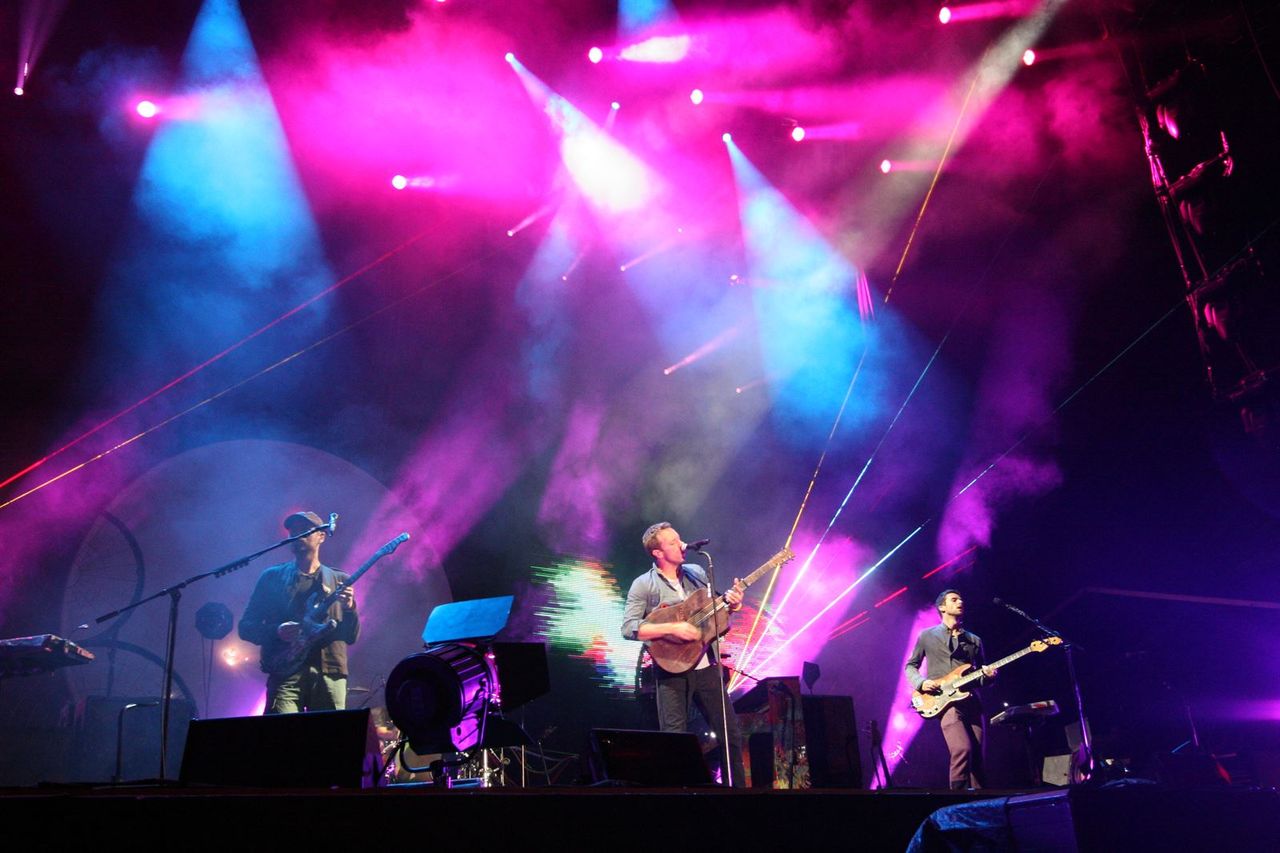
Snow Machine. Snow Machine runs for two to three days, typically in mid-March, with stages at the base of Hakuba 47 and a mid-mountain stage accessible by gondola. The lineup is electronic — house, techno, and bass music bookings in the tier of European festivals but in a context that exists nowhere else: you ride a ski lift to a stage in the snow at 1,800 metres, surrounded by the Japanese Alps, in a crowd of Australians, Japanese, and Europeans who all skied or snowboarded to get there. Evening sets run at the base stage until late. Passes are available on the Snow Machine website; buy as soon as they go on sale as the festival sells out annually.
Skiing and snowboarding. The Hakuba Valley Ticket covers all 10 resorts on a single pass. Happo-one is the flagship — Olympic course, best views, the longest runs in the valley. Hakuba 47 and Goryu are connected and have the best terrain park. Norikura and Tsugaike at the north end of the valley are quieter and better for intermediates. Backcountry access via guide from any of the resorts is excellent — the terrain above the resort boundary is some of the best tree skiing in Asia.
The village. Hakuba village has evolved into one of the most international communities in rural Japan. The Australian ski community has been coming since the late 1980s and the infrastructure reflects it — English menus, good coffee, Western-style breakfast, excellent izakayas. The Wadano area between the resorts has the most concentrated restaurant strip. The Mimizuku Terrace bar at the base of Happo-one does the best après drinks with mountain views.
What to know before you go
- Buy the JR Pass before you leave home. A 7-day pass costs around $300 USD outside Japan and covers the Shinkansen legs of this arc (Tokyo–Kyoto, Tokyo–Nagano). It is not available at this price inside Japan. Calculate whether it pays for itself on your specific route — for this arc, it almost always does.
- Suica card at the airport. Set it up immediately on arrival at Narita or Haneda. It works on every train in Tokyo, the Shinkansen add-on, subway, and bus in every city, and at 7-Eleven and Lawson convenience stores. Do not navigate Japan's transit system without one.
- Book Snow Machine passes as soon as they go on sale. The festival sells out 2–4 months before the event. Check the Snow Machine website in November for March dates.
- Ski hire in Hakuba is easy and good value. Several shops on the main Hakuba road do full kit — skis or board, boots, and helmet — for $40–60/day. Book online ahead of time during Snow Machine week as the local shops do fill up. Rhythm and Hakuba Sports are the most reliable operators.
- Cash is still essential in Japan. The country has improved but is not card-friendly everywhere. Carry yen. 7-Eleven and Japan Post ATMs accept foreign cards reliably. Use them.
- Onsen after skiing. Hakuba has several public onsen (hot springs) a short drive or bus ride from the resorts. Hakuba Happo-one Onsen at the base of Happo-one is the most convenient post-ski soak. Tattoos: banned at most public onsen — book a private bath (kashikiri) if your group has tattoos.
- March in the Alps. Hakuba in March averages -3°C to 8°C. Full ski kit — base layer, mid layer, waterproof shell — is necessary on the mountain. The village is milder. Pack for both.
How to extend the arc
Combine with the Japan North Arc. Sapporo Snow Festival runs in early February, Snow Machine in mid-March. Add the North Arc at the front: Tokyo → Sapporo for the Snow Festival → Niseko for powder skiing → back to Tokyo → Kyoto → Hakuba for Snow Machine. The combined trip is 3 weeks and the definitive Japan winter experience.
Osaka on the way back. If returning to Tokyo by Shinkansen from Hakuba via Nagano, the return journey passes close to Osaka. Add 2 nights in Osaka for Dotonbori, Kuromon Market, and the best takoyaki and okonomiyaki in Japan. Osaka to Tokyo is then another 2.5 hours on the Nozomi.
Fuji Rock extension. Fuji Rock Festival is in late July at the Naeba ski resort in Niigata. If you love Hakuba in winter, Naeba in summer is the same impulse — Japanese Alps, outdoor stages, extraordinary setting. Book flights to Japan in early July and come back for the summer version.
When to go
The anchor. Confirmed dates release November; buy passes immediately.
Time your Tokyo entry to overlap with peak sakura if the arc runs late March.
Start with Sapporo Snow Festival, Niseko powder, then return south for Snow Machine.
No festival but the best powder of the season. Hakuba at its quietest and snowiest.
The summer version of this impulse — Naeba resort, Japanese Alps, outdoor stages in the rain.