The UK Summer Arc: Glastonbury, Wimbledon, and the British Grand Prix
Three of the most iconic live events on the planet. One country. Two weeks in late June and early July. Glastonbury ends, Wimbledon begins the same day, and the F1 British Grand Prix is the weekend after. This is the arc.
The route
Why this arc works
The timing is the thing. Glastonbury runs the last week of June — typically Wednesday to Sunday. Wimbledon starts the Monday after Glastonbury ends and runs for two weeks. The F1 British Grand Prix at Silverstone is the first weekend of July, landing in the middle of Wimbledon fortnight. Three events that require three separate trips for most people collapse into a single 14-day arc if you plan it right.
Note: Glastonbury takes a fallow year every 5 to 6 years to rest the land. The most recent was 2026. The festival returns in 2027 — verify the current year on the official site before booking anything.
What does this trip actually cost?
| Flying from | Flights | Typical / person | Budget to premium |
|---|---|---|---|
| Miami | $600 | $3,800 | $2,800 to $6,000 |
| New York | $450 | $3,600 | $2,600 to $5,800 |
| Los Angeles | $650 | $3,900 | $2,900 to $6,200 |
| Toronto | $500 | $3,700 | $2,700 to $5,900 |
| Sydney | $1,200 | $4,400 | $3,400 to $6,800 |
Per person, 14 nights. London accommodation (budget to mid-range), Glastonbury festival pass and campsite, 2 days Wimbledon (queue entry outer courts + 1 show court ticket), F1 British GP general admission. UK summer prices are high — accommodation in particular spikes hard during Glastonbury and Wimbledon weeks. Book London accommodation 6+ months ahead.
The UK Summer Arc is the hardest arc to get tickets for and the most expensive to run — and it is worth every penny of both. Glastonbury is not like other festivals. Wimbledon is not like other tennis tournaments. The British Grand Prix crowd is not like any other race on the F1 calendar. Each event has its own atmosphere that you cannot replicate elsewhere, and the fact that they stack in the same two-week window in the same country is a genuine quirk of the sporting and cultural calendar that rewards people who notice it.
London: days 1 to 3
Fly into Heathrow (LHR) or Gatwick (LGW). Direct flights from Miami, New York, and most major North American cities. Take the Heathrow Express to Paddington (15 minutes) or the Gatwick Express to Victoria (30 minutes).
Use these three days as a proper London trip rather than just a transit stop. Stay in Southwark or Borough for access to Borough Market, the Tate Modern, and the South Bank. Shoreditch if you want nightlife. Notting Hill or Bayswater if you want quiet streets and good coffee.
Day 1: arrive and East London. Jet lag means you will be awake early. Use it. Walk Brick Lane, Spitalfields Market, and Columbia Road. Afternoon: Tate Modern and the Millennium Bridge. Evening: Borough Market area for dinner.
Day 2: central London properly. The National Gallery (free). Walk from Trafalgar Square through St James's Park to Buckingham Palace, up The Mall to Hyde Park. Evening in Soho or Covent Garden.
Day 3: prepare for Glastonbury. Buy any gear you still need — waterproof jacket, wellies if you haven't brought them. Primark on Oxford Street is the cheapest option for festival kit. Pack light for the festival, store luggage at your London accommodation or use a left luggage service near Paddington.
Glastonbury: days 4 to 8
Train from London Paddington to Castle Cary — around 2 hours 15 minutes on GWR. Pre-book this train; it fills up fast on Wednesday. From Castle Cary station, shuttle buses run direct to the festival gate (20 minutes). Total journey: under 3 hours door to gate.
Arrive Wednesday. The site opens Wednesday afternoon and Wednesday night is the best time to explore before the crowds build. The Pyramid Stage headliners run Thursday to Saturday night. Sunday is the closing day.
Camping. Glastonbury is a camping festival — accommodation in the surrounding area is limited and expensive. Most people camp on site. The Worthy View campsite offers slightly more space and better facilities than the main fields. Book your campsite area when you buy your ticket.
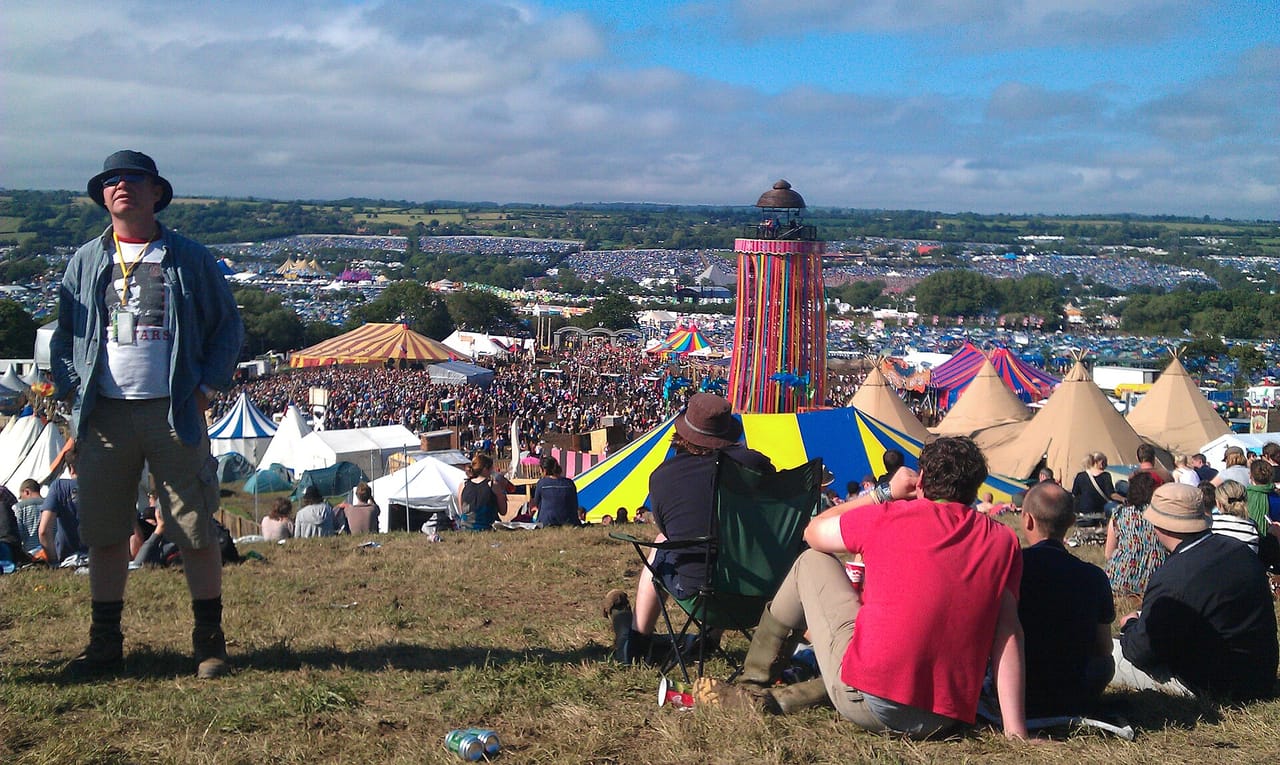
The site. Worthy Farm covers 900 acres with over 100 stages. The Pyramid Stage is the main event but the Park Stage, West Holts, and the acoustic tent are worth as much of your time. Block 9 and Shangri-La are the late night areas — immersive art installations and music that runs until dawn.
Packing for Glastonbury. Waterproof everything. It always rains at some point. Wellies or waterproof boots are essential. Layers — it gets cold at night even in late June. A good rain jacket is worth more than everything else combined.
London + Wimbledon: days 9 to 11
Return train from Castle Cary to London Paddington Sunday evening or Monday morning. Glastonbury ends Sunday; Wimbledon begins Monday. The timing is almost designed for this arc.
Wimbledon is in SW19, 30 minutes from central London on the District Line to Southfields or the dedicated shuttle from Wimbledon station. Two ways to attend without ballot tickets:
The Queue. Join the queue at Wimbledon Park (the overnight camping queue is a tradition in itself). Gates open at 10:30am. Queuing from early morning typically gets you into the grounds and onto outer courts. Centre Court and No.1 Court require show court tickets. The queue is free to join and the outer court tennis — often featuring first and second round matches between top-50 players — is exceptional.
Debenture or hospitality. Expensive but reliable access to Centre Court. Prices start at several hundred pounds per day. Book through official Wimbledon hospitality or the All England Club's debenture holders.
What to do at Wimbledon beyond the tennis. The strawberries and cream are not a cliché — they are genuinely good and part of the experience. Henman Hill (officially Murray Mound) has a big screen showing Centre Court with a picnic atmosphere that is worth sitting on even if you have show court tickets. The museum inside the grounds is free with entry.
Silverstone: days 12 to 13
Silverstone is in Northamptonshire, 80 miles north of London. Best approached by car or by train to Milton Keynes Central then the race weekend shuttle bus to the circuit (around 40 minutes). Stay in Towcester or Northampton the night before — accommodation within 20 miles of Silverstone sells out months ahead of the race weekend.
General admission gives you access to almost the entire circuit perimeter and most viewing banks. The best free-to-choose viewing spots are Copse (the fast right-hander at the end of the pit straight, good overtaking spot), Maggotts and Becketts (the sweeping high-speed complex mid-sector — the best corner sequence on the F1 calendar), and Chapel (the exit of Becketts where cars are fully committed at 180mph+).
The atmosphere. The British GP crowd is overwhelmingly partisan for British drivers and teams. The noise when a British driver leads is unlike any other race. Bring earplugs — the cars are genuinely loud at 300 metres.
Practice and qualifying. Friday practice and Saturday qualifying are significantly cheaper than Sunday race day and give you almost the same experience for a fraction of the price. The race is the thing, but if budget is a consideration, Saturday qualifying is the value play.
What to know before you go
- Book Glastonbury tickets 12 months ahead. Registration is free; the ballot is the only route for most people. Coach packages sell slightly slower. Miss the ballot and you have almost no legitimate options.
- Book London accommodation before Glastonbury sells tickets. The moment Glastonbury announces dates, London accommodation prices spike for those weeks.
- Silverstone accommodation sells out fast. Book any accommodation within 25 miles of the circuit the moment tickets go on sale.
- The weather will be British. June and early July in England means sun, rain, and cold, sometimes in the same hour. Pack for all three.
- Get an Oyster card or contactless card for London. Tapping in and out on the Tube and buses with a contactless bank card is the easiest option. Buying single tickets at the machine is always more expensive.
How to extend the arc
Edinburgh in August. The Edinburgh Festival Fringe is the world's largest arts festival, running the entire month of August. If you extend the arc by 3 weeks and head north, you get a fourth bucket-list event in the same trip.
Notting Hill Carnival in August. The last weekend of August, Notting Hill Carnival transforms west London into Europe's largest street festival. If you stay in London through August, the Carnival bookends the summer perfectly.
The Cotswolds between events. Glastonbury is in Somerset; Silverstone is in Northamptonshire. The Cotswolds sit between them — spend a night in Bourton-on-the-Water or Burford on the drive or train journey between events.
When to go
The anchor event. Plan the entire arc around these dates.
Starts the Monday after Glastonbury ends. Two weeks.
Silverstone, typically the first weekend of July. Mid-Wimbledon fortnight.
Extend north for the world's largest arts festival.
Europe's largest street festival as a summer closer.