The Burning Man Arc: San Francisco, Black Rock City, and the Nevada Desert
Burning Man is not a festival — it is a temporary city of 80,000 people built and destroyed in the Black Rock Desert every August. Here is how to build a 12-day arc around it: San Francisco before, the playa for a week, decompression after.
The route
What does this trip actually cost?
| Flying from | Flights | Typical / person | Budget to premium |
|---|---|---|---|
| Miami | $450 | $2,500 | $1,500 to $4,000 |
| New York | $400 | $2,400 | $1,400 to $3,800 |
| Los Angeles | $200 | $1,800 | $1,000 to $3,200 |
| London | $700 | $2,900 | $1,900 to $4,500 |
| Toronto | $420 | $2,450 | $1,450 to $3,900 |
Per person. Burning Man ticket (~$575 base, vehicle pass ~$150 separately). SF hotel (3 nights). Black Rock City costs include all food, water, and supplies you bring in — budget $300–500 for provisions. No money is exchanged at Burning Man except for coffee and ice. A fully kitted first-timer setup (gear, costume, bike, provisions) runs $800–1,500 if you have nothing. Shared RV rental with a group significantly reduces costs.
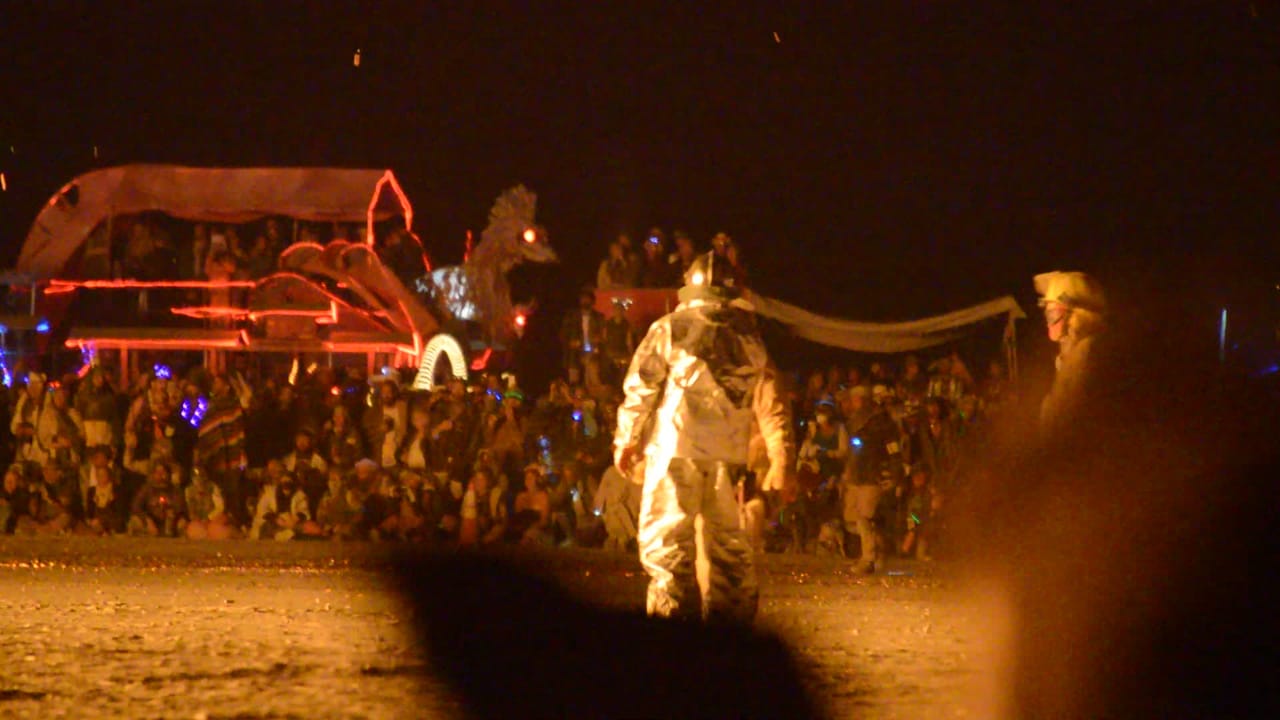
Burning Man defies accurate description. Black Rock City is a radial metropolis of 80,000 people built from scratch on the alkaline playa of Nevada's Black Rock Desert every August and completely dismantled by Labor Day weekend. There are no vendors, no sponsors, and no spectators — the Ten Principles include radical self-reliance and gifting, meaning everything you consume you bring in, and everything you offer you give freely. The art installations — some the size of buildings, lit and fire-animated at night — are created by participants with no commercial purpose. The Man burns on Saturday night. Nothing prepares you for it.
San Francisco: days 1 to 3
Fly into SFO or Oakland (OAK). Oakland is often cheaper and nearly as convenient. Stay in the Mission for the best food and bar scene, or Hayes Valley for the most walkable neighbourhood. Use these days to buy provisions — Burning Man supply runs are a ritual. Costco in San Francisco or the East Bay for bulk food, water (the standard is 1.5 gallons per person per day), sunscreen, goggles, and a dust mask (the playa dust is alkaline and fine enough to coat everything).
The city itself. The Golden Gate Bridge walk (from the southern Marin Headlands side for the best view back at the city). The Ferry Building Marketplace for the best food market on the West Coast. Mission Dolores Park on a sunny afternoon. Tartine Bakery for the most famous bread in San Francisco. The de Young Museum in Golden Gate Park. North Beach and City Lights bookstore for the Beat Generation history. A dim sum breakfast in the Richmond district.
Day 3: pack and prep. Organise the vehicle — rental car, RV, or joining a camp's truck convoy. Everything going to the playa needs to be in the car. Burn prep is serious: no single-use plastics, no glitter, no feathers — MOOP (Matter Out of Place) principles are strictly observed. The community polices itself on this.
Black Rock City: days 4 to 10
Drive 5 hours north and east from San Francisco on I-80 to Reno, then south on Highway 447 to the playa entrance. The drive through the Nevada high desert, watching the landscape empty out and eventually seeing the dust cloud of Black Rock City on the horizon, is part of the experience.
The layout. Black Rock City is built on a clock face — streets named by time (2:00 through 10:00) radiating from a central hub where the Man stands. The Esplanade is the inner ring. The open playa beyond the city is where the large art installations live. The Temple, built fresh each year and burned on Sunday, is the emotional counterpoint to the Man's Saturday burn.
What to do. There is no schedule and no spectators — every participant is expected to contribute. Art cars (mutant vehicles) roam the playa at night, often with stages and DJ sets aboard. The themed camps offer everything from dance parties to yoga to opera to absurdist lectures. The Centre Camp has the only commercial transaction permitted: coffee. The sunrise on the playa — walking out into the open desert as dawn breaks over the mountains — is one of the great experiences available anywhere on Earth.
The burns. Saturday night: the Man burns. The entire city gathers. Fireworks, fire performers, the structure igniting and collapsing. Sunday night: the Temple burns. The Temple is the community's space for grief — notes, photographs, and dedications to the dead are placed inside all week. The Temple burn is silent. Both nights are mandatory.
Reno decompression: days 11 to 12
Drive to Reno (2 hours from the playa). The Burning Man community has informally adopted Reno as the decompression city — the motels off I-80 fill with dusty returning burners every Labor Day weekend. The National Automobile Museum is worth a visit. The Truckee River walk through downtown is pleasant. Or drive back to San Francisco for a final night before flying home — 3.5 hours on I-80 through the Sierra Nevada.
First-timer essentials
- Read the Survival Guide. The official Burning Man Survival Guide covers everything from MOOP policy to medical resources. Read it before you go.
- Join a camp. First-timers who join an established theme camp have a significantly better experience than those who camp alone. Camps provide community, shade structures, and collective resources.
- A bicycle is mandatory. The city is 2 miles across. Without a bike you cannot move effectively. Rent one in SF or bring one.
- Goggles and a dust mask. Playa dust storms (whiteouts) can reduce visibility to zero. N95 masks work. Motorcycle goggles are the standard. Both go around your neck at all times.
- Lights at night. You must have lights on your body at night. People in dark costumes get hit by art cars. EL wire and LED strips are the standard.
- Tickets sell out fast. The main sale usually happens in March for August. There are also directed group sales and STEP (Secure Ticket Exchange Program) for resale.
How to extend
Yosemite before or after. Yosemite National Park is 3 hours from San Francisco. The valley in late August before the Burn or in September post-Burn has perfect late-summer conditions. The Half Dome hike requires a permit ballot months ahead.
Lake Tahoe recovery. Tahoe is 3 hours from the playa and 3.5 hours from San Francisco. A lake house rental for 3 nights post-Burn — swimming, hiking, clean air — is the ideal decompression upgrade from Reno motels.
When to go
Last week of August through Labor Day. Book tickets in March.
San Francisco's best weather. Indian summer, no fog.
Warmer SF weather before the festival season peaks.
Smaller regional Burning Man events happen worldwide year-round.
The largest regional Burn outside Nevada. Negev Desert.