The Exit Festival Arc: Belgrade, Novi Sad, and the Balkans
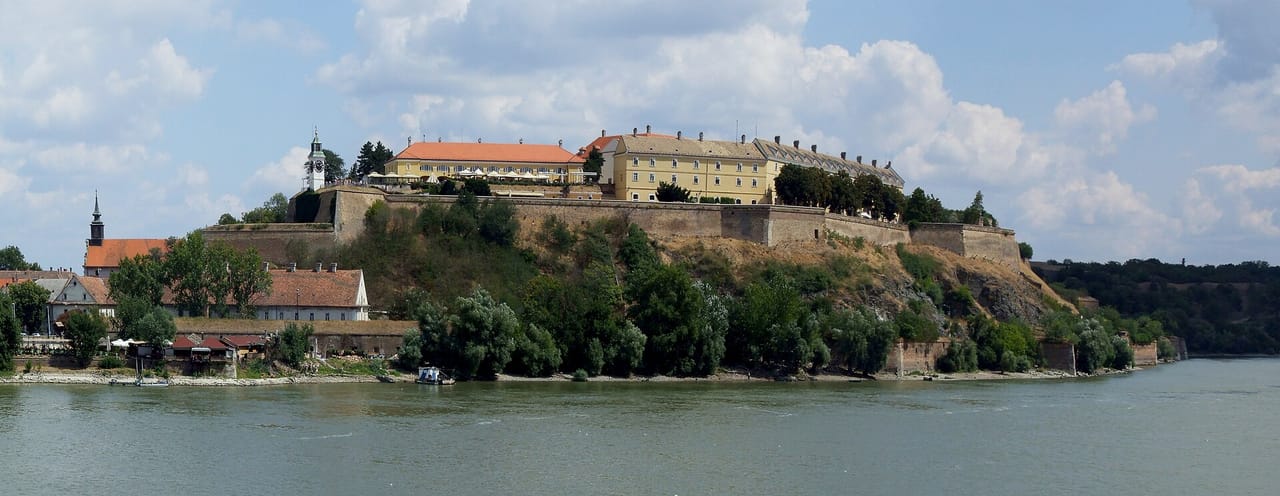
Exit Festival at Petrovaradin Fortress in Novi Sad is one of the great European music festivals — four days of electronic, rock, and hip-hop in a 17th-century fortress above the Danube. Here is how to build a 10-day Balkans arc around it.
The route
What does this trip actually cost?
| Flying from | Flights | Typical / person | Budget to premium |
|---|---|---|---|
| Miami | $800 | $1,800 | $1,200 to $3,000 |
| New York | $750 | $1,750 | $1,150 to $2,900 |
| Los Angeles | $900 | $1,900 | $1,300 to $3,100 |
| London | $200 | $1,100 | $700 to $2,000 |
| Toronto | $800 | $1,800 | $1,200 to $3,000 |
Per person, 10 nights. Exit Festival 4-day pass (~€100–150). Belgrade hotel (3 nights budget to mid-range, extremely affordable). Novi Sad accommodation (4 nights). Sarajevo hotel (2 nights). Serbia and Bosnia are among the cheapest destinations in Europe — food, transport, and accommodation cost a fraction of Western European equivalents. Beer in Belgrade averages €1.50.
Exit Festival was founded in 2000 by students demanding political change in Vojvodina. It has grown into one of the biggest festivals in southeastern Europe, drawing 200,000 people across four days to the battlements, tunnels, and open spaces of Petrovaradin Fortress on the Danube cliffs above Novi Sad. The fortress was built in the 17th and 18th centuries by the Habsburgs — the festival stages are built into the walls and tunnels, the Dance Arena runs all night in the fortress moat, and the main stage sits where the cannons once pointed across the river. The combination of extraordinary architecture and serious music programming makes it genuinely unlike any other festival in the world.
Belgrade: days 1 to 3
Fly into Belgrade Nikola Tesla Airport (BEG). Direct flights from London on Air Serbia, connections from most European hubs. Stay in the Savamala district — Belgrade's creative neighbourhood along the Sava river, with the best bars, galleries, and clubs in the city. Or Skadarlija, the bohemian cobblestone quarter, for traditional kafana restaurants.
Day 1: Kalemegdan Fortress and the old city. The Kalemegdan Fortress at the confluence of the Sava and Danube rivers is the heart of Belgrade — free to enter, extraordinary views, and the city's best park. Walk down to Knez Mihailova, the pedestrian street, for coffee and people-watching. The Nikola Tesla Museum houses the urn containing Tesla's ashes alongside extraordinary exhibits on his work.
Day 2: Novi Beograd and the river scene. Belgrade's nightlife runs on floating river clubs (splavovi) moored along the Sava and Danube. The scene is unique to Serbia — the party boats play turbo-folk, electronic, and everything between until dawn. Cross to Novi Beograd for lunch at the brutalist blocks (interesting architecture) and back via the Ada Ciganlija lake park for an afternoon swim.
Day 3: food and night market. The Zeleni Venac and Kalenić markets for produce and grilled meat breakfast. The Temple of Saint Sava — the largest Orthodox church in the world by volume, still partially unfinished. The Museum of Yugoslavia houses Tito's tomb and an excellent collection on socialist Yugoslavia. Train to Novi Sad in the afternoon.
Exit Festival: days 4 to 7
Petrovaradin Fortress is on the cliff above the Danube, reached by a 20-minute walk from Novi Sad city centre or festival shuttles from the train station. The festival site is spread across the fortress grounds — the Main Stage on the upper plateau, the Dance Arena in the fortress moat, the Fusion Stage in the tunnels, and multiple smaller stages on the battlements.
The Dance Arena. The EXIT Dance Arena is the festival's defining stage — an open-air floor in the fortress moat that runs from midnight until 8am. It has hosted every major name in electronic music: Carl Cox has headlined 15 times. The combination of 17th-century stone walls and dawn light filtering in as the music continues is an image that appears on every "best festival stages" list ever compiled.
The lineup. Exit covers rock, electronic, hip-hop, and urban music. The main stage headliners in recent years have included Nick Cave, Calvin Harris, The Prodigy, and Blink-182. The electronic programming across the Dance Arena, Fusion Stage, and No Sleep Novi Sad venue is consistently excellent.
Novi Sad itself. The city below the fortress has a charming Austro-Hungarian old town, the best restaurant street in Serbia (Laze Telečkog), and a relaxed pace that makes it the ideal festival base. Explore the old town in the afternoons before the festival opens.
Sarajevo: days 8 to 10
Bus from Novi Sad to Sarajevo — 5 hours, comfortable, and the scenery through the mountains of Bosnia is extraordinary. Sarajevo is one of the most historically layered cities in Europe — Ottoman mosques and bazaars, Austro-Hungarian boulevards, the site of the 1914 assassination that triggered World War I, and a living memorial to the 1990s siege. The Baščaršija old bazaar, the Latin Bridge (assassination site), and the Tunnel of Hope museum (the tunnel dug under the airport during the siege) are essential. The food — Bosnian ćevapi, burek, begova čorba soup — is extraordinary value.
What to know
- Serbia uses the dinar, Bosnia the mark. Both are cash-dependent countries outside major hotels. Carry local currency.
- Exit Festival is extremely affordable. Four-day passes run €100–150 — a fraction of equivalent Western European festivals. Accommodation in Novi Sad during the festival is similarly cheap.
- The Dance Arena runs until 8am. Plan your festival days around the Dance Arena's overnight schedule rather than daytime activity.
- Book accommodation in Novi Sad early. The city fills during Exit. Private apartments booked through Airbnb or Booking.com are the best value option.
How to extend
Dubrovnik and the Adriatic coast. From Sarajevo, 4 hours south to Split (Croatia's best city on the coast) or Dubrovnik (the walled city on the Adriatic). Both are world-class destinations and easily combined with the Balkans arc.
Plitvice Lakes in Croatia. 4 hours from Sarajevo, Plitvice is a UNESCO natural park of 16 terraced lakes connected by waterfalls. One of the most visually spectacular natural sites in Europe.
When to go
The anchor. Book 3–4 months ahead for best accommodation.
Split and Dubrovnik at peak summer. Extend the arc to the coast.
Savamala art scene, open-air cinema season, autumn city energy.
Snow on the minarets, excellent food, Christmas market season.
Best weather for Sarajevo and Belgrade sightseeing.