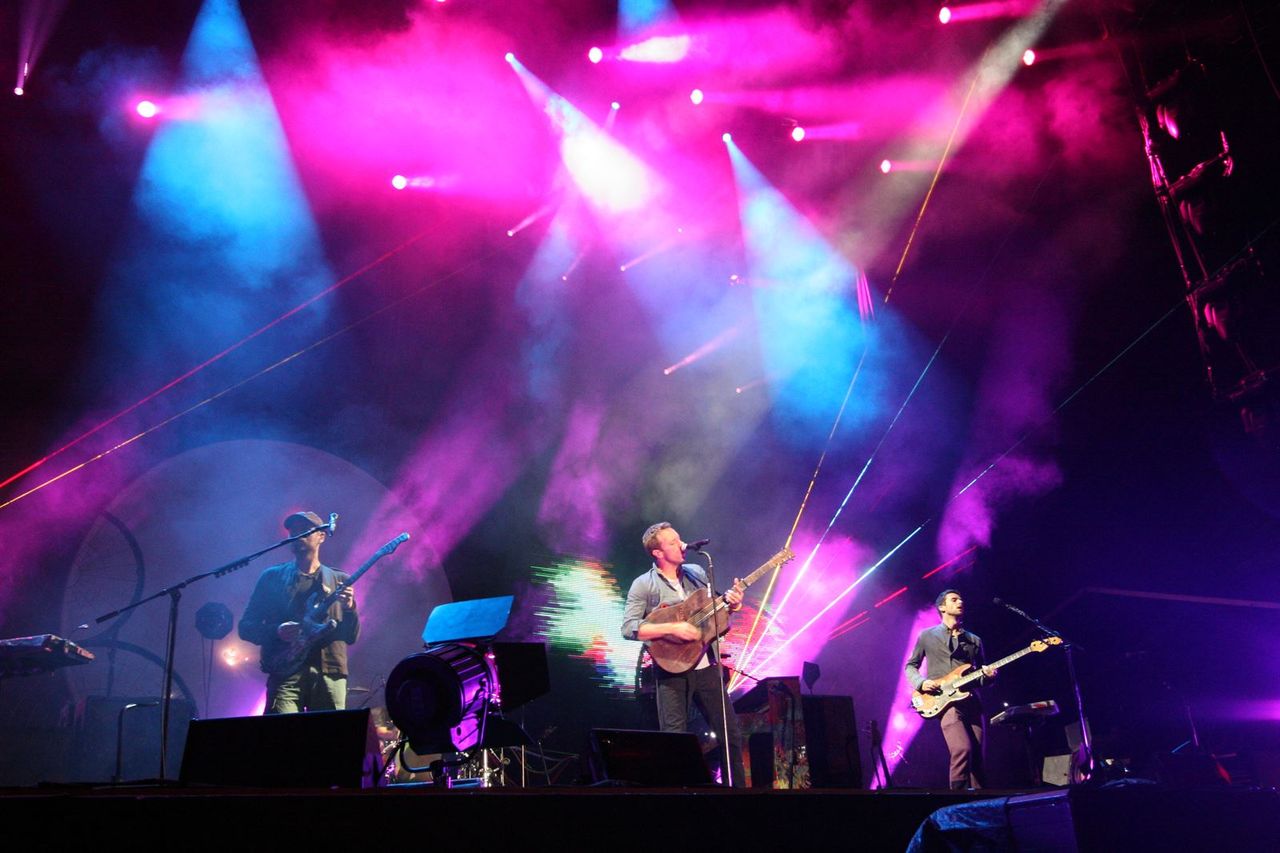
The Fuji Rock Arc: Tokyo, Naeba, and Japan's Greatest Music Festival
Fuji Rock is Japan's largest and most beloved music festival — three days in a mountain resort in Niigata Prefecture, with a lineup that rivals Glastonbury and a forest setting that nothing else comes close to. Here is how to build a 10-day Japan arc around it.
The route
What does this trip actually cost?
| Flying from | Flights | Typical / person | Budget to premium |
|---|---|---|---|
| Miami | $900 | $3,200 | $2,200 to $5,500 |
| New York | $800 | $3,100 | $2,100 to $5,300 |
| Los Angeles | $650 | $2,900 | $1,900 to $5,000 |
| London | $850 | $3,300 | $2,300 to $5,600 |
| Sydney | $500 | $2,600 | $1,800 to $4,800 |
Per person, 10 nights. Fuji Rock 3-day pass (around ¥55,000 / $370). Tokyo hotel (4 nights mid-range). Fuji Rock camping or onsite lodge. Kyoto mid-range hotel (2 nights). Japan Rail Pass 7-day (~$300) covers Tokyo–Echigo-Yuzawa Shinkansen and Kyoto.
Fuji Rock Festival runs at Naeba Ski Resort in the mountains of Niigata Prefecture every last weekend of July. It is named after Mount Fuji but is not near it — the first edition in 1997 was held at the Fuji base before the venue moved north. What remained is the spirit: a festival built in a mountain environment, with multiple stages connected by forested paths, river crossings on wooden bridges, and terrain that becomes a landscape of its own across three days. The Green Stage headliners have included Radiohead, Arctic Monkeys, Kendrick Lamar, Bjork, and Bob Dylan. The forest stages — Red Marquee, White Stage, Field of Heaven — are as good as any festival programming in the world.
Tokyo: days 1 to 4
Fly into Haneda (HND) or Narita (NRT). Use four days properly — Tokyo is a city where every visit reveals something new. Stay in Shinjuku for Shinkansen access. Eat at Tsukiji outer market for breakfast sushi. Walk Yanaka for old Tokyo. Spend an evening in Golden Gai — 200 tiny bars in six alleys in Shinjuku, each seating 8 to 10 people. Visit the teamLab Planets digital art installation in Toyosu (book ahead). Take the Yamanote Line full loop one evening to understand the city's scale.
Fuji Rock: days 5 to 7
Shinkansen from Tokyo Station to Echigo-Yuzawa on the Joetsu Shinkansen — 1 hour 40 minutes, around ¥7,000. Festival shuttle bus from Echigo-Yuzawa Station to Naeba (30 minutes). The whole journey takes under 2.5 hours from Tokyo Station to the festival entrance.
The stages. Green Stage is the mainstage — open-air, backed by mountains, capacity 50,000. White Stage is the second stage — bigger acts than you'd expect from a second stage at most festivals. Red Marquee is the tent venue for electronic and alternative. Field of Heaven is a forest clearing with a spiritual, late-night atmosphere. The Avalon Field runs through the night.
The site. Naeba is a working ski resort — the lifts run as people movers between stages during the festival. The terrain means stages are spread across elevation. Walking between Green Stage and Field of Heaven takes 30 minutes through forest paths and wooden bridges over mountain streams. This is the feature, not a bug.
Camping vs lodges. On-site camping is the standard option. The Naeba Prince Hotel on site is an upgrade — expensive but you have a real bed and shower access. Off-site lodges in Yuzawa town (30 minutes by bus) are the budget alternative.
The food. Fuji Rock's food vendor selection is exceptional by festival standards — Japanese curry, ramen, yakitori, craft beer, and regional Niigata specialties served across multiple food courts. The Niigata sake available on site is among the best in Japan.
Kyoto: days 8 to 10
Shinkansen from Echigo-Yuzawa back to Tokyo, then west to Kyoto on the Tokaido line — 2.5 hours total journey. Use two nights for Kyoto's essentials: Fushimi Inari at dawn, the Philosopher's Path, Arashiyama bamboo grove. Fly home from Kansai Airport (KIX, 75 minutes from Kyoto) or return to Tokyo for the international flight.
What to know
- Fuji Rock runs rain or shine — usually rain. July in the Japanese mountains means humidity and afternoon thunderstorms. A quality waterproof jacket, wellies or waterproof boots, and a dry bag for electronics are essential.
- Japan Rail Pass for this arc. The 7-day pass covers Tokyo–Echigo-Yuzawa (Shinkansen) and Tokyo–Kyoto. Buy before leaving home.
- Fuji Rock tickets go on sale in January. Available through the official website (eplus) and international ticket agents. They do not sell out instantly like European festivals but popular ticket types go fast.
- Bring cash. On-site vendors at Fuji Rock accept yen cash. 7-Eleven ATMs in Echigo-Yuzawa accept foreign cards.
How to extend
Niigata city after the festival. Niigata on the Sea of Japan coast is 50 minutes from Echigo-Yuzawa. It is Japan's rice and sake capital — the Ponshukan sake tasting centre at the station is the best single sake experience in the country. The seafood on the Japan Sea coast is extraordinary.
Hiroshima and Miyajima after Kyoto. 2 hours west by Shinkansen. The Peace Memorial Museum and the torii gate rising from the sea at Miyajima are both essential.
When to go
Last weekend of July. Book tickets in January, accommodation in February.
Hot and humid but excellent food festival season.
Best time for Kyoto. Extend the arc south for hanami.
Naeba and the Japanese Alps are extraordinary in autumn colour.
Mark your calendar — international agents sell out faster than domestic.