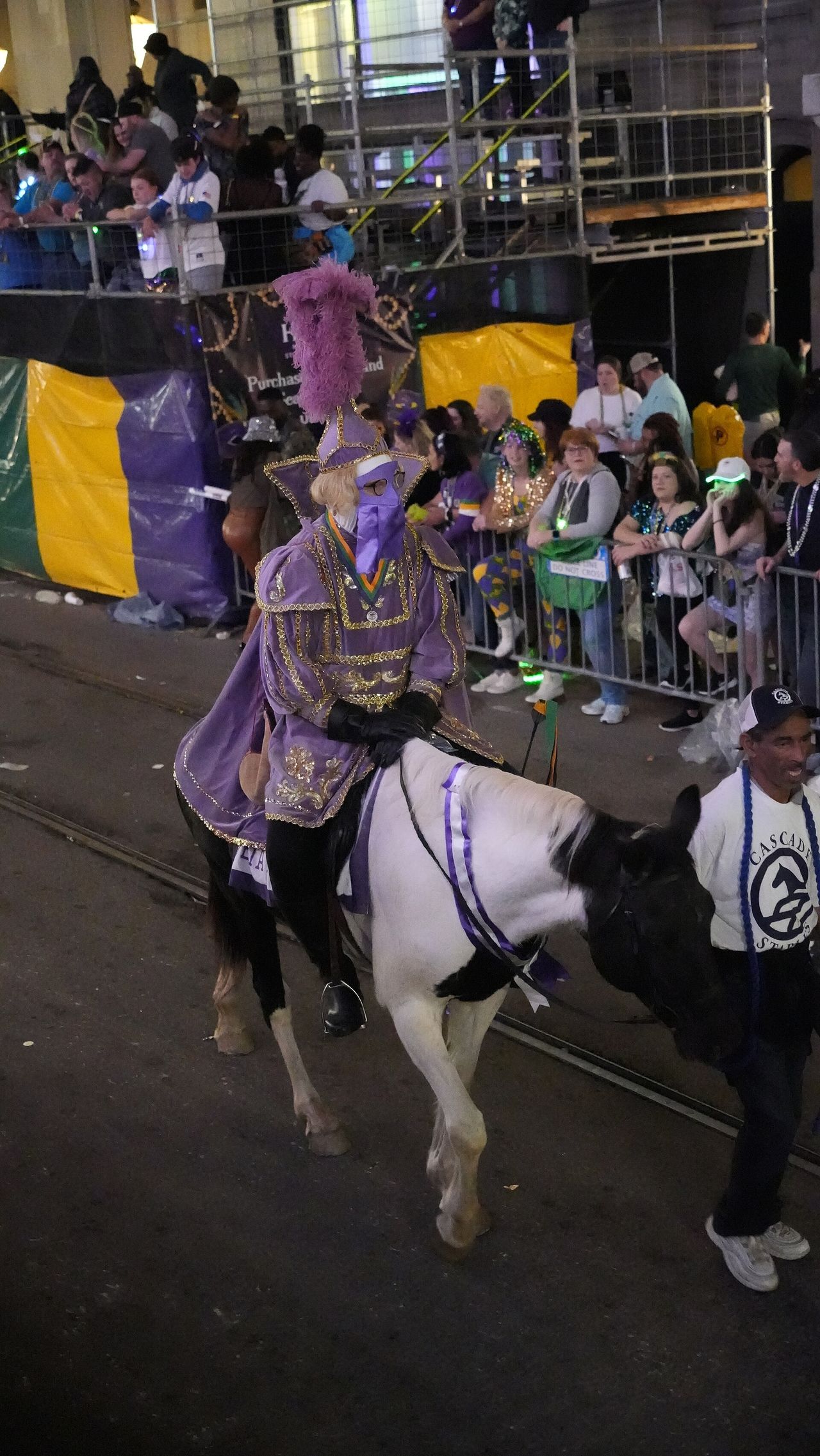
The Mardi Gras Arc: New Orleans, the Gulf Coast, and America's Greatest Street Party
Mardi Gras in New Orleans is the most distinctly American cultural festival in existence — 12 days of parades, music, food, and the complete transformation of a city. Here is how to build a 10-day arc around Fat Tuesday.
The route
What does this trip actually cost?
| Flying from | Flights | Typical / person | Budget to premium |
|---|---|---|---|
| Miami | $250 | $1,800 | $1,100 to $3,200 |
| New York | $300 | $1,900 | $1,200 to $3,400 |
| Los Angeles | $350 | $1,950 | $1,250 to $3,500 |
| Chicago | $250 | $1,800 | $1,100 to $3,200 |
| London | $700 | $2,500 | $1,700 to $4,200 |
Per person, 10 nights. No festival ticket needed — Mardi Gras parades and most events are free. New Orleans hotel during Mardi Gras is expensive — book 6+ months ahead, prices triple during the final 10 days. Gulf Coast accommodation (2 nights, affordable). Budget $100–150 per day for food and drink in New Orleans.
Mardi Gras (Fat Tuesday) falls 47 days before Easter — typically in February or early March. The formal Carnival season begins January 6 (Epiphany/King's Day) and builds to the crescendo of the final 10–12 days before Fat Tuesday, when the major krewes roll their parades. The city transforms: over a million visitors, parades rolling daily through the Uptown, Mid-City, and French Quarter routes, and an atmosphere that New Orleans cultivates better than any city in the world.
New Orleans: days 1 to 7
Fly into Louis Armstrong International (MSY). Stay in the Garden District for parade access and neighbourhood character, or the Marigny for the music scene. Avoid the French Quarter hotels — expensive during Mardi Gras and better as a destination than a base. The parades roll daily from Friday before Fat Tuesday through to Fat Tuesday itself. The major krewes — Endymion, Bacchus, Orpheus (founded by Harry Connick Jr), Zulu, Rex — each have their own routes and float traditions. Catch a parade from the neutral ground (median) on St. Charles Avenue for the classic experience. Ladders for kids and collapsible chairs are the standard equipment. The food is the other reason. Commander's Palace for the best jazz brunch in the country. Dooky Chase for the history and the red beans and rice. Café Du Monde at 3am for beignets after a parade night. Cochon for the best boudin in the city. The po'boy shops along Magazine Street.
Gulf Coast: days 8 to 9
Drive east on I-10 along the Gulf Coast. Biloxi, Mississippi has the most casino-dense stretch of coast in the Deep South and excellent Gulf seafood. Gulf Shores, Alabama has the best white sand beaches on the Gulf Coast, crowd-free in February. Drive back to New Orleans for the flight home.
When to go
The anchor. Book hotels in August for the following February.
The other great New Orleans festival. Two weekends, same city.
Best weather, fewer crowds, lower hotel prices.
Reveillon dinners, decorated St. Charles streetcar, uncrowded.
Good weather and prices before summer humidity peaks.