The Rock in Rio Arc: Rio de Janeiro, the Festival, and Brazil's Greatest City
Rock in Rio is one of the biggest music festivals in the world — 700,000 people across seven days in Rio de Janeiro. Here is how to build a 12-day Brazil arc around it: the festival, the beaches, the favelas, the food, and the mountains.
The route
What does this trip actually cost?
| Flying from | Flights | Typical / person | Budget to premium |
|---|---|---|---|
| Miami | $600 | $2,400 | $1,600 to $4,000 |
| New York | $650 | $2,500 | $1,700 to $4,200 |
| Los Angeles | $750 | $2,600 | $1,800 to $4,400 |
| London | $800 | $2,900 | $2,000 to $4,800 |
| Toronto | $700 | $2,600 | $1,800 to $4,300 |
Per person, 12 nights. Rock in Rio day pass (around R$700 / $140 per day). Rio hotel (5 nights, Ipanema or Leblon mid-range). São Paulo hotel (2 nights). Búzios or Paraty accommodation (2 nights). Brazil is currently good value for US dollar holders — food and local transport are affordable. International flights to Rio (GIG or GaleãO) are the primary cost.
Rock in Rio began in 1985 with Queen, Rod Stewart, and James Brown performing to 1.5 million people over 10 days. It is now a biennial event (held every two years) in Rio de Janeiro, with editions also in Lisbon and Madrid. The Rio edition — at the Cidade do Rock (City of Rock) in Barra da Tijuca — brings 700,000 people across seven days for a lineup that covers rock, pop, electronic, metal, and Latin music. The mainstage headliners have included Iron Maiden, Guns N'Roses, Justin Timberlake, Lady Gaga, and Post Malone. Check the official website for dates as the biennial schedule shifts.
São Paulo: days 1 to 2
Many international flights to Brazil land in São Paulo (GRU). Use two nights in South America's largest city rather than treating it as a transit stop. Stay in Vila Madalena — the best restaurant and bar neighbourhood in the city. The MASP (Museu de Arte de São Paulo) on Paulista Avenue is one of the best art museums in Latin America, with the collection suspended above street level in a famous Oscar Niemeyer-adjacent design. The Mercadão (Mercado Municipal) food hall has the most diverse food experience in the city. The Vila Madalena bar scene runs late.
Rio de Janeiro: days 3 to 7
Fly from São Paulo (GRU) to Rio (GIG Santos Dumont or GaleãO) — 1 hour, frequent flights on LATAM and Azul. Stay in Ipanema for the beach, the restaurants, and the safety. Leblon is the upscale alternative. Both are walking distance from each other and the best parts of the city.
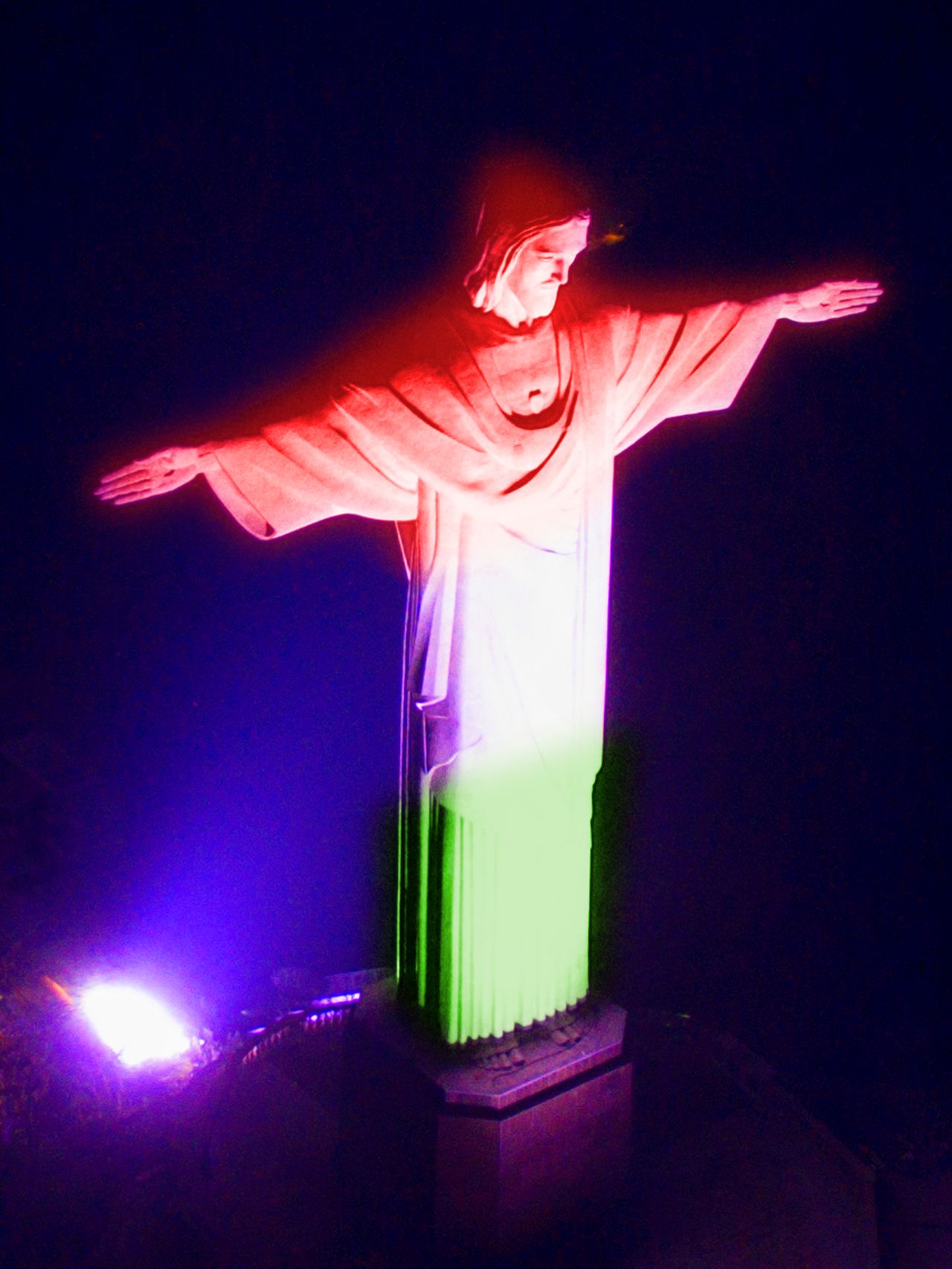
Day 3: Christ the Redeemer and the Lapa arches. The cog railway or van tour to the Cristo Redentor summit — book ahead, morning for clear views. The city from the top is extraordinary. Afternoon: the Lapa neighbourhood with its 18th-century Roman aqueduct arches. Friday night in Lapa is the best street party in Rio — samba, forró, and crowds filling the streets around the arches.
Day 4: beaches. Ipanema and Copacabana are the classics. Ipanema's Posto 9 is the social hub of the beach — the spot where Cariocas gather. Prainha and Grumari further west are quieter and often more beautiful. The beach culture in Rio — the volleyball, the vendors, the kiosks, the footvolley — is a complete social world.
Day 5: Sugarloaf and Santa Teresa. The cable car to Pão de Açúcar (Sugarloaf Mountain) gives the most complete view of Rio — Guanabara Bay, Copacabana, the Christ statue in the distance. Go at sunset. The Santa Teresa neighbourhood, reached by historic tram, is Rio's bohemian hillside district — art galleries, colonial houses, the best views of the bay.
Day 6–7: Rock in Rio days. Cidade do Rock is in Barra da Tijuca, 30 minutes from Ipanema by metro and shuttle. A day pass covers the entire site — multiple stages running simultaneously. The Palco Mundo (World Stage) is the mainstage with capacity for 100,000. The Palco Sunset runs established acts in the late afternoon. The Rock District stages cover heavier music. Plan your days around the headliners and move between stages.
Búzios or Paraty: days 10 to 12
Búzios is a peninsula 3 hours east of Rio by bus — 23 beaches, clear Atlantic water, a cobblestone main street with restaurants and bars. Brigitte Bardot discovered it in 1964 and the town still trades on it. Excellent for 2 nights of post-festival recovery. Paraty is 4 hours south on the Costa Verde — a perfectly preserved colonial port town with the best cachaça artisans in Brazil and easy access to boat trips to offshore islands. Pick one and decompress.
What to know
- Rock in Rio is biennial. Check the official website for dates — it runs every two years in Rio de Janeiro, alternating with the Lisbon and Madrid editions.
- Use InDrive or 99 for taxis. Not Uber, which operates but in a grey legal area. InDrive and 99 are the reliable options in Rio and São Paulo.
- Stay in Ipanema or Leblon. Rio has genuine safety considerations. The tourist areas are well-established and regularly visited by international travellers. Stay in the South Zone and take the same precautions you would in any major city — don't flash valuables, use apps rather than flagging street taxis.
- Learn basic Portuguese. English is limited outside hotels and restaurants in tourist areas. Even 20 words of Portuguese improves every interaction significantly.
How to extend
Iguazu Falls after Rio. 2 hours by domestic flight from Rio to Foz do Iguaçu. The falls — 275 individual waterfalls on the Brazil-Argentina border, wider than Niagara — are among the great natural spectacles on Earth. Add 2 nights minimum.
Salvador and Bahian culture. Salvador in Bahia is the African cultural heart of Brazil — Candomblé, capoeira, the most vibrant carnival after Rio, and the best food in the country. 2 hours by domestic flight from Rio.
When to go
Biennial — check official dates. Usually September of even years.
The anchor for a different arc entirely. The greatest carnival on Earth.
Beach season. Hot, humid, stunning. Busiest and most expensive period.
Cooler, drier, cheaper. Good for Rio sightseeing without the heat.
Best value. Good weather, fewer crowds, lower prices.